
Bacon's Ciphers Re-examined
For over sixty years the world has believed that William and Elizebeth Friedman, the two greatest cryptographers of the twentieth century, had once and for all in their book The Shakespearean Ciphers Examined (1957) put an end to the notion of Baconian ciphers being present in the Shakespeare plays. Coming from such highly respected figures this ‘examination’ was generally considered conclusive and final. However what is little known and has only recently been revealed is the Friedmans originally endorsed them.
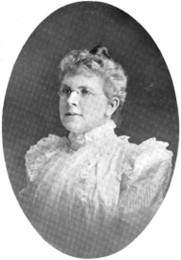
The presence of Bacon’s Biliteral Cipher was announced in a series of volumes published by the remarkable American educator Elizabeth Wells Gallup entitled The Bi-literal Cypher of Sir Francis Bacon Discovered in his Works (1899). On examining the prefatory material of the 1623 Shakespeare First Folio, Gallup deciphered a series of revelations about Francis Bacon’s secret life and writings revealing that not only was he the secret author of the Shakespeare works but also the works published in the names of among others Spenser, Greene, and Marlowe and that he was the concealed royal son of Queen Elizabeth and Robert Dudley, Earl of Leicester.

News of these revelations soon reached the ears of Colonel George Fabyan a wealthy businessman who had set up his mysterious Riverbank Laboratories located west of Chicago which was widely regarded as the forerunner of modern cryptography and the National Security Agency (NSA). It was here that Colonel Fabyan provided Gallup with staff and extensive resources to continue her investigations into the Bacon Bi-literal Cipher and its presence in the Shakespeare works and other Baconian publications. Gallup was afterwards joined at Riverbank by William F. Friedman and his future wife Elizebeth Smith, the widely acclaimed duo who went on to become the greatest cryptographers of the twentieth century and authors of The Shakespearean Ciphers Examined.
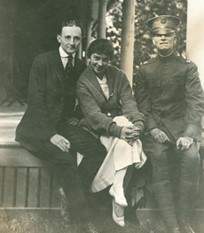
For the next few years the Friedmans worked closely alongside Elizabeth Wells Gallup assisting her in a complex and minute study of the Bacon Bi-literal Cipher and its links to the Shakespeare First Folio and soon after the Friedmans were appointed the joint Heads of the Riverbank Department of Ciphers.
During this period, the Riverbank Cipher Department headed by the Friedmans produced a series of important pamphlets known as the Riverbank Laboratories Publications on Cryptography. These comprise of a series of ground-breaking technical monographs dealing with cryptography and cryptanalysis and several dealing with Gallup’s work on the Bacon Bi-literal Cipher. Several of the volumes on the Bacon Bi-literal Cipher were issued anonymously and the identity of their author (s), remains largely unknown to the present day.
For more than half a century the Friedmans had every opportunity to reveal the identity of the authors of these anonymous Riverbank publications on the Bacon Bi-literal Cipher but repeatedly refused to do so. The reason why, is the Friedmans themselves, were the anonymous authors of these tracts in which it is emphatically stated that the presence of Bacon’s cipher system identified by Elizabeth Wells Gallup has been repeatedly tested and dissected, and was and is, demonstrable beyond any and all doubt.
The Senior member of MI-8 the Code & Cipher Division of Military Intelligence Captain J. A. Powell who was at Riverbank at the same time as the Friedmans and Elizabeth Wells Gallup also endorsed and confirmed her findings.
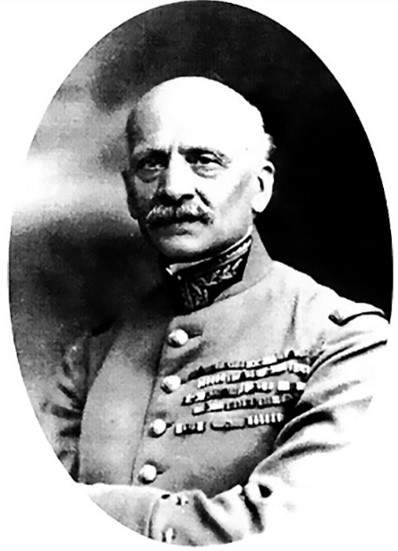
The presence of the Bacon Bi-literal Cipher in the Shakespeare canon was also endorsed and replicated by the Head of the French Cipher Intelligence Service, General Francois Cartier.
For the rest of their lives the Friedmans remained silent about their authorship of The Greatest Work of Sir Francis Bacon endorsing the presence of the Bacon Bi-literal Cipher in the Shakespeare works and decades later when Fabyan, Gallup, Powell, Cartier were all dead, they wrote The Shakespearean Ciphers Examined wherein they falsely claimed that no Bacon ciphers were used in the Shakespeare poems and plays. The confirmed presence of Baconian ciphers would necessitate a complete re-assessment of Bacon’s true authorship of the Shakespeare works and even their pointed book title would seem to be an ironic acknowledgment of their existence.

The Friedmans knew there were Bacon ciphers present in the Shakespeare works and that Bacon is the true secret author of the Shakespeare canon. It was a secret they took to their graves but not beyond it. For on the tombstone of William and Elizebeth Friedman, one designed by themselves and including Bacon’s famous maxim ‘Knowledge is Power’, the two greatest cryptographers of the twentieth century, left a secret hidden cryptographic message: FRANCIS BACON IS SHAKESPEARE.
Read: The Fraudulent Friedmans: The Bacon Ciphers in the Shakespeare Works
See the accompanying Video