
Age of Secrecy
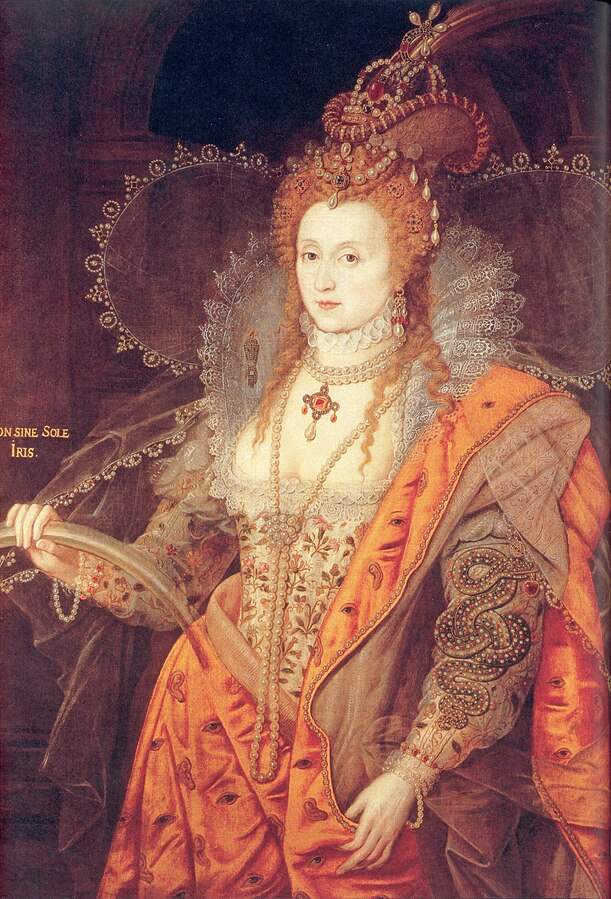
Iconography of the Elizabethan period portrays a glamorous age of learning, prosperity, peace and military might because the Elizabethans were propogandists out of extreme necessity. Underneath the top show appearance there existed a most difficult and troubled age, violent and dangerous, with Elizabeth the focus of many plots often intercepted by intelligence gathering and code deciphering. The shadowy world of spies, informers and code-breakers were a major part of her reign.
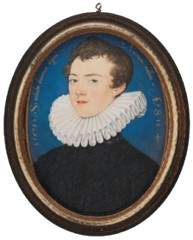
From a very early age Francis Bacon was given a baptism into ciphers and codes and other arcane cryptic devices for concealing and communicating secret and hidden information. His father Lord Keeper Sir Nicholas Bacon and his uncle Secretary of State Sir William Cecil were the twin pillars of the Elizabethan Reformation and effectively the heads of the secret state. The lifeblood of the Elizabethan state and the English Secret Service headed by Sir Francis Walsingham were secret ciphers and codes and its three principal advisers Bacon, Cecil and Walsingham went to extraordinary lengths to maintain a cryptographic hegemony over their European rivals and the domestic enemies of the English government.
Emblems, Symbolism and Concealed Communication
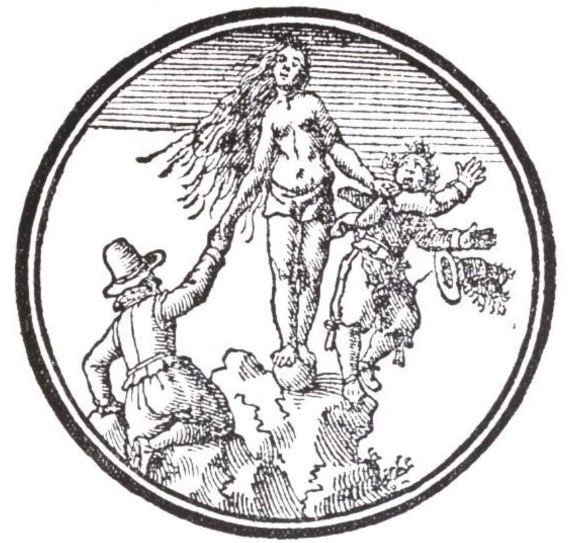
The Elizabethan and Jacobean period was an age steeped in symbolism and allegory which were common in portraits of the period and found its way into the complex pictorial representations that appeared in emblem books. Corresponding with the dual nature of the age, emblems were originally meant to convey meaning (possibly to an illiterate readership). They depicted moral messages and ways to lead a holy life but were also used to depict other more hidden information.
Elizabethan Intelligence & Security
Whilst the nature of intelligence and security has changed over the centuries especially in our technological age, the concept of gathering, assessing, protecting, encoding and decoding information is an old one and goes back centuries. However, the structure and practice of the modern day intelligence services like GCHQ, NSA and the Direction Générale de la Sécurité Extérieure can find their roots in Elizabethan England.
Codes, ciphers, anagrams, acrostics and emblems were familiar concepts and used by Elizabethan and Jacobean society often at one level for amusement but at state level, secret communication was a serious business.
Francis Bacon & Cryptology
Francis Bacon had a lifelong interest and expertise in cryptology and his deep connections to codes and ciphers is well documented.

- He wrote about them, he explained them, firstly in his 1605 Advancement of Learning and later much expanded in the 1623 Latin edition entitled De Augmentis Scientiarum published a few weeks before Shakespeare’s First Folio.
- Francis Bacon explicitly states that he devised ciphers in his youth in Paris when he was working on state business at the Embassy in Paris from age 15. Cryptology was a necessity for any diplomatic embassies.
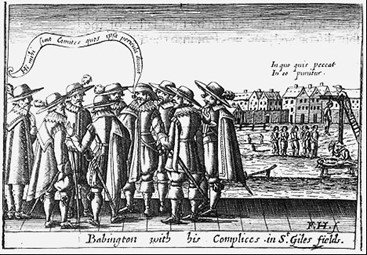
- Also working at the Embassy was friend and fellow Trinity College Cambridge scholar the formidable decipherer and linguist Thomas Phelippes, later famous for breaking the Babington codes.
- Blaise de Vigenère the French diplomat and cryptographer was part of this circle.
- There are letters between Francis and Anthony and Anne Bacon and many others in cipher.
- Francis Bacon’s obscure writing was extremely hard to interpret as noted by Lady Anne Bacon who would give some letters to Anthony to decipher ‘I cannot construe his enfolded writings.’
- Under Spymaster Sir Francis Walsingham’ s tutelage, Anthony Bacon became one of the most adept and well connected intelligencers of the age, building an incredibly diverse and important network including among his correspondents Henri, King of Navarre (afterwards Henri IV of France), essayist and philosopher Montaigne, scholar and theologian Theodore Beza and King James of Scotland.
- The period in which Francis Bacon lived was a high stakes environment involving many political factions and religious uncertainty and where the wrong word could often mean death or imprisonment. Secrecy was an absolute necessity in many situations. Francis said in his essay Of Counsel, ‘It is true there be some affairs, which require extreme secrecy.’
- In 1590 Sir Francis Walsingham died and the responsibility for the English Secret Service passed to the Bacon brothers.
- Francis Bacon devised ciphers, deciphered them, and along with Anthony Bacon and Robert Devereux, Earl of Essex directed the English Secret Service (the forerunner of British Intelligence) from its headquarters at Essex House on the Strand.
Francis Bacon & Printing
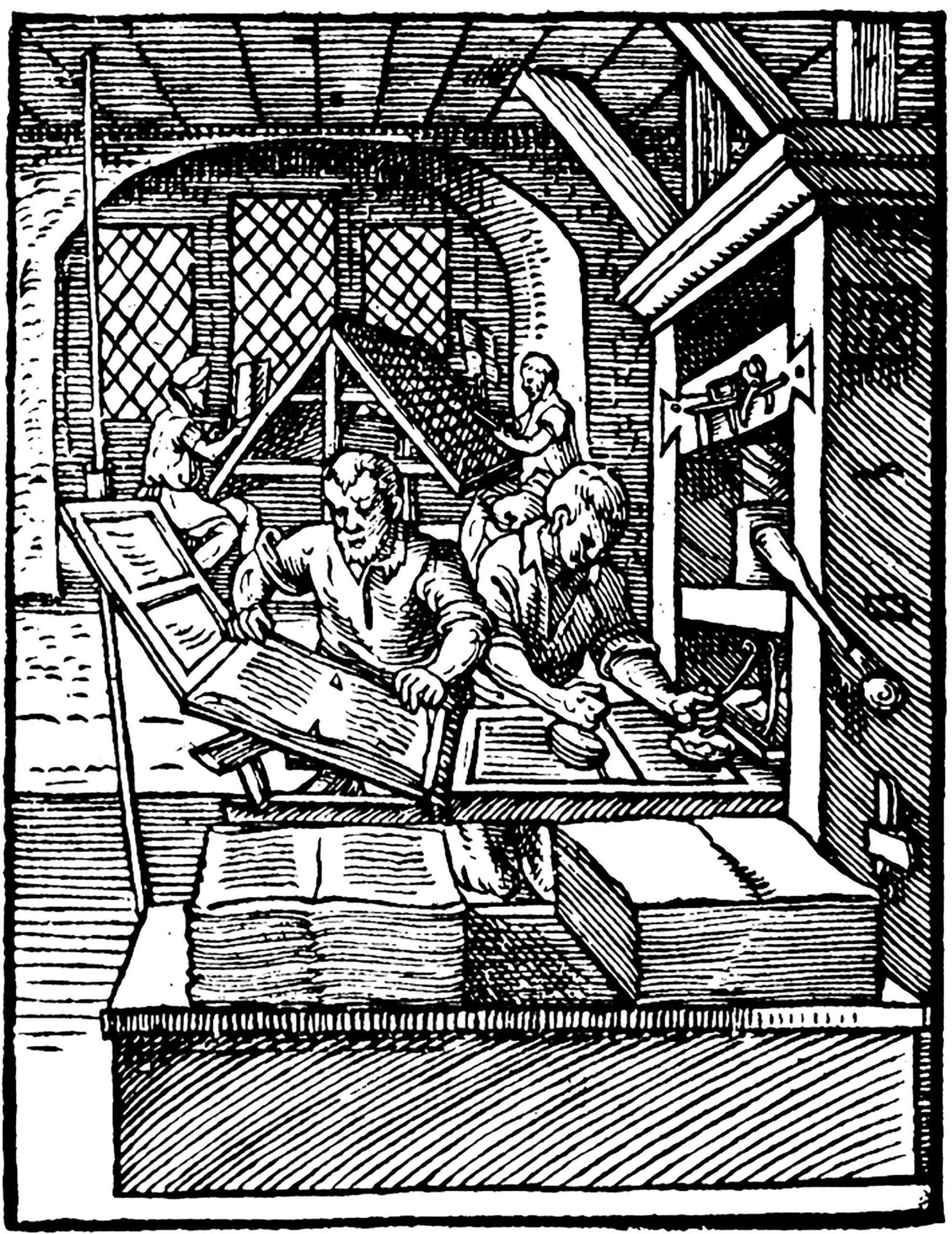
There would have been no inherent difficulties for Bacon to include secret information in literary works especially as he had longstanding links and relationships
with the leading printers of the day, some of whom were part of a wider pan-European network linked to Bacon’s Universal Reformation of the whole world, a plan conceived when he was just a young man.
Like all evidence, emblem and cipher evidence has to be carefully weighed and considered and looked at in conjunction with other aspects supporting Bacon’s writing of the Shakespeare works. Many incorrectly still believe that emblems and ciphers are the main factors of Bacon’s authorship, but nothing could be further from the truth as there are many examples of Primary Documentary Evidence. The true intellectual significance of emblems and ciphers has been marginalised in today’s world, yet they are integral to any consideration and understanding of Elizabethan and Jacobean literature.