
"Wonder is the Seed of Knowledge" Francis Bacon
WHO IS FRANCIS BACON?
 Early Years at London and St Albans
Francis Bacon was born in 1561 in London at York House next to Queen Elizabeth I’s Royal Palace that was then called York Place. His father Sir Nicholas was Lord Keeper and his uncle William Cecil (Lord Burghley) Secretary of State. They were the two chief ministers of Queen Elizabeth I. Francis Bacon with his older brother Anthony spent their early years in London and were often at Court.
When Francis was around 7 years old he moved to the family country house at Gorhambury, St Albans, Hertfordshire and the family split their time between here and London.
Francis and Anthony were taught by their exceptionally clever mother Lady Anne Bacon. She was fluent in Greek, Latin, French and Italian and a widely celebrated translator of religious works. They also had many tutors and were taught scriptures, theology, languages and classics.
Their local parish church was St Michael’s on St Michael’s Street, St Albans. There is a beautiful monument of Francis Bacon that was erected after his death by his good friend Thomas Meautys.
“Knowledge is Power” Francis Bacon
Youth and a Master Plan - The Universal Reformation of the Whole World
 At only 12 years old, Bacon went with his bother Anthony, to Trinity College, Cambridge, where he began to consider how knowledge could be used to make society a better place - his vision for the Universal Reformation of the Whole World. He soon became disillusioned with the state of learning and the fact that knowledge was not very useful. He decided that he would begin an advancement of learning. This was very rebellious. He opposed a lot of the ancient thought, as not being beneficial to humankind.
In Tudor times there was much poverty, sickness, ignorance, illiteracy and Bacon proposed a radical overhaul of education, science, law and medicine and believed knowledge should be pursued for the betterment of humankind and to make society a better place to live in.
Many law makers, universities and other institutions were happy with the way things were, as they benefitted from it and didn’t want their world changed. Bacon knew that for a society to be advanced for the benefit of its citizens there had to be monumental change.
 In his own day, he must have both bewildered and amazed his contemporaries and countrymen by the range and scope of his project. It’s difficult for us to perhaps understand what an extraordinarily audacious plan he’d conceived whilst still a boy, and during his life, his efforts to try and implement it often attracted negativity of which Bacon was all too aware.
The false charges of corruption which have affected Bacon’s reputation were the result of one of the greatest political betrayals in English history. Bacon was an innocent political scapegoat for the King and the notorious Duke of Buckingham. In 1621, he was charged with corruption and barred from holding any office of state. He retired to Gorhambury where he continued to write his world changing works until his death in 1626.
WHAT IS FRANCIS BACON FAMOUS FOR?
When referring to his benevolent plans for the future of humanity, Bacon states his, "Ends are only, to make the world my Heir".
Francis Bacon, Speech in Parliament c. 1618
 Like Leonardo da Vinci before him, Francis Bacon was a true Renaissance Man. He was a polymath and a visionary, skilled in many different areas, such as the arts, sciences, and philosophy, and embodying a spirit of curiosity and continuous learning. He was called by one of his contemporaries “Our Universal Benefactor” and was Father of Modern Science, Lawyer & Lord Chancellor, Member of Parliament, Social Reformer, Philosopher, Writer and Cryptographer.
UNIVERSAL LEGACY
“If a man be gracious and courteous to strangers, it shows he is a citizen of the world” Francis Bacon
He was the guiding spirit behind the union with Scotland and the force behind the Virginia Council and the establishment of a permanent settlement in North America. Third President pf the USA Thomas Jefferson greatly admired Bacon and considered him “one of the greatest men that had ever lived”
Bacon was a visionary, and his Utopian fable New Atlantis predicted submarines, airplanes, telephone lines, computers, and provided a framework for the future of humanity.
“Bacon defined for us, the image of what a true scientist should be: a man of both compassion and understanding.”
Anthropologist and Philosopher Professor Loren Eiseley
More than any other, Bacon, the Father of Modern Science was responsible for the Scientific Revolution and much of the modern scientific and technological world around us began with him.
CODES, THE DIGITAL AGE AND AI
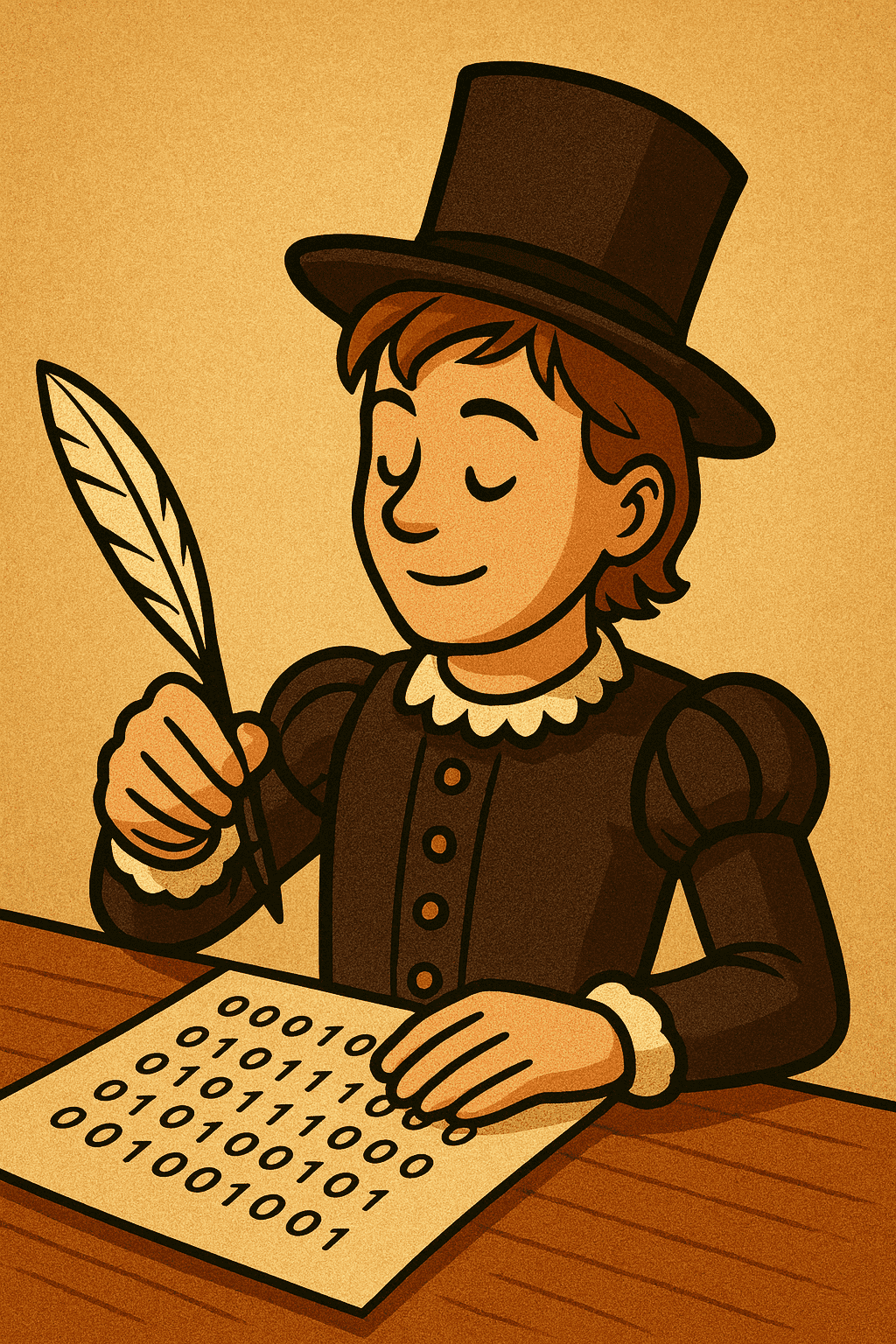 Francis Bacon’s bi-literal cipher is a binary code and “is credited with being the beginning of the digital age that leads to computers. . .Francis Bacon is the first one who’s credited with developing this.’ Professor Bill Sherman, Director Warburg Institute and Historian of Cryptography
When he was just 15 Francis Bacon was sent to France to the Paris embassy on her Majesty’s Secret Service. He was highly skilled at inventing and breaking codes and ciphers, and it was here as a teenager that he invented his bi-literal cipher similar in principle to the binary code which became the basis for all modern computers.
So when we use our laptops, tablets, computers and smartphones they all operate on binary code, which is the fundamental language of all computers and the foundation of digital information.
All data, from text messages to photos to music, is represented by binary code (ones and zeros) and it is Francis Bacon who first developed the foundation for this technology.
How About Artificial Intelligence (AI)?
All data and instructions for computers, including those that run AI, are ultimately translated into binary code. This is the language of the machine.
If Bacon were here today, he would remind us, that knowledge, science and technology, should be used for the benefit of humanity. He would probably say, “the technology itself is neutral it is how we use it that is important, and it must be used for good purposes”
ESPIONGE & THE ENGLISH SECRET SERVICE
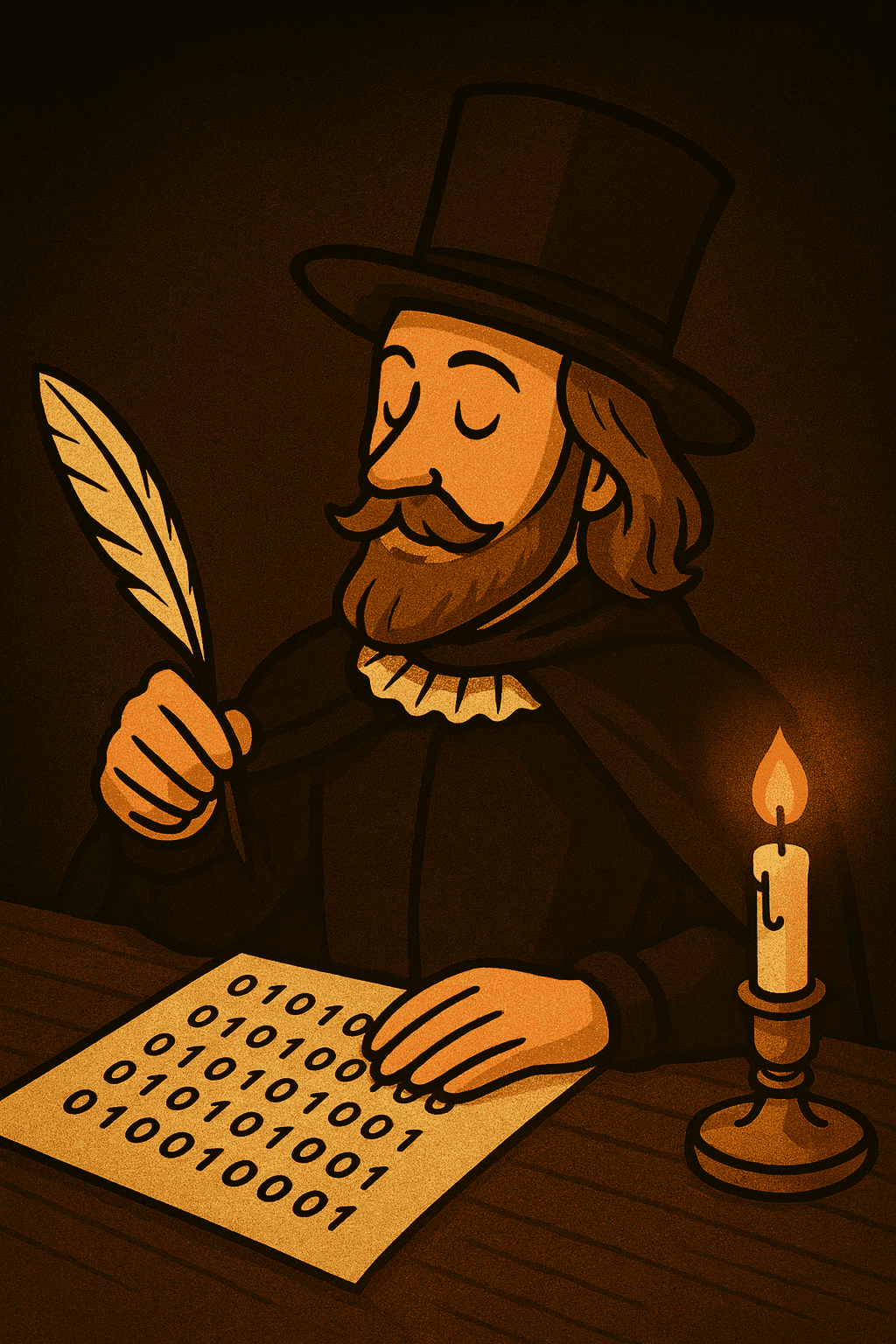 Francis Bacon lived in very dangerous times and secrecy became very important. Those who ran into trouble with the authorities, risked imprisonment, torture and even death. Codes, ciphers and secret writing were not just puzzles for entertainment, they were sometimes a matter of life and death. Bacon knew that in order to advance his philosophical and scientific ambitions there had to be national and international security, political stability, and social order. Throughout Bacon’s early life, religious wars raged across Europe, and he learned from a young age to greatly fear religious fanaticism and its destabilising influences.
Queen Elizabeth I’s two most important and powerful ministers of state were Lord Keeper Nicholas Bacon and Secretary William Cecil, Francis Bacon’s Father and Uncle. During her long reign, Elizabeth had countless plots against her life and keeping Elizabeth alive was certainly a full-time job for the people around her.
Sir Francis Walsingham was a key figure in this period and well known as Elizabeth’s spymaster, what we would now term head of the secret service or the intelligence services. Francis Bacon’s brother Anthony was the key intelligencer or spy of the period, gathering information from across Europe, handling the incoming and outgoing of intelligence through a vast spy network. Like his brother Francis, many of Anthony’s letters and papers were written in cipher as the secrecy of his work and the times would demand.
When Francis Walsingham died in 1590, the headquarters of the English Secret Service was transferred to Essex House on the Strand the grand stately residence of the royal favourite Robert Devereux, the second Earl of Essex. Francis and Anthony Bacon led the English Secret Service, which evolved into today’s MI5 and MI6. They managed intelligence operations across England and Europe using an organised network of spies who communicated through secret codes.
SCIENCE & NATURE
 “We cannot command Nature except by obeying her” Francis Bacon
Described as the Father of Experimental Science, Father of Modern Science, and the Father of the Modern World; cosmology, astronomy, astronomy, and all other related sciences, engaged and pre-occupied Francis Bacon throughout the whole of his life.
Francis Bacon had great respect for nature and wished to discover and unlock its secrets for the practical benefits of humankind. He promoted a new scientific method based on experiment and observation rather than relying on abstract or ancient philosophy. He stressed humility and obeying nature’s laws, aligning with the scientific method of learning through observation and experimentation. Bacon saw nature as inherently authoritative, with humans able to benefit from it only by following its laws.
He wrote extensively on science. This enormous body of work included Novum Organum in which he set out his scientific method for experimental research, several natural history treatises including The Natural and Experimental History of the Winds and The History of Life and Death, and the monumental De Augmentis Scientiarum IX Books with its division of the sciences and observations on improving the scientific method. This was followed by Sylva Sylvarum, a vast collection of observations and scientific experiments drawn from a wide range of ancient and contemporary sources, including many of his own scientific experiments.
Bacon was the guiding light and leading inspiration for the formation of The Royal Society in 1660 ‘a Fellowship of the world’s most eminent scientists dedicated to promoting excellence in science for the benefit of humanity.’ In 1667 Thomas Sprat wrote The History of the Royal Society which included a portrait of Francis Bacon and said, “I shall onely mention one great Man, who had the true Imagination of the whole extent of this Enterprize, as it is now set on foot; and that is, the Lord Bacon.”
The Baconian Royal Society set in motion by Francis Bacon has been the greatest institutional engine and agency for advancement in all branches of science in modern history. All in all, over 280 members of The Royal Society have won Nobel Prizes.
Bacon had a specific directive that knowledge should be used with charity, he urged everyone to, “consider what are the true ends of knowledge, and that they seek it not either for pleasure, or the mind, or for contention, or for superiority to others, or for profit, or fame, or power, or any of these inferior things, but for the benefit and use of life, and that they perfect and govern it in charity.”
HEALTH AND MEDICINE
 In Bacon’s times, infant mortality was very high, with roughly a quarter of babies dying in their first year, and about half dying before they reached five. The average life expectancy at birth in England was 35–40 years although this was affected by the high rate of infant deaths. 50-60 was achievable if you manged to live past childhood!
High death rates were common due to unsanitary conditions, overcrowding, disease and lack of medical knowledge about how the body worked. Back then, people died of even the most common minor infections.
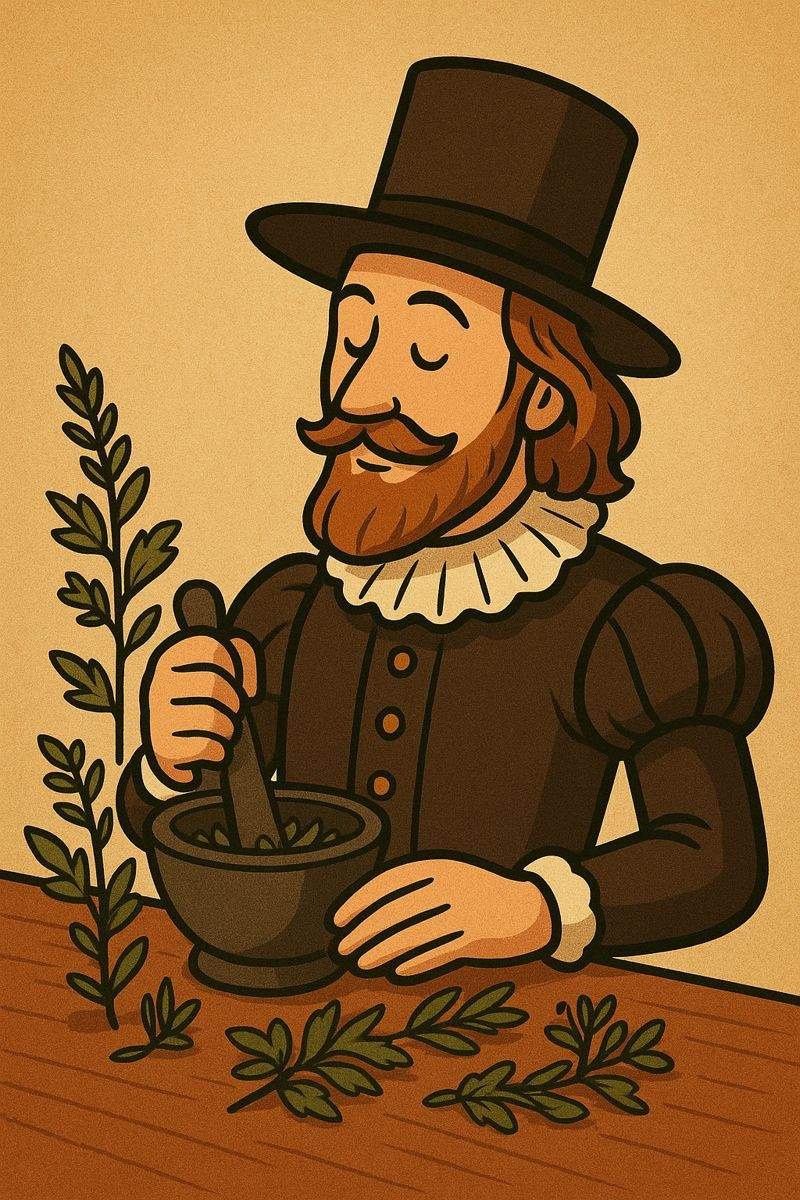
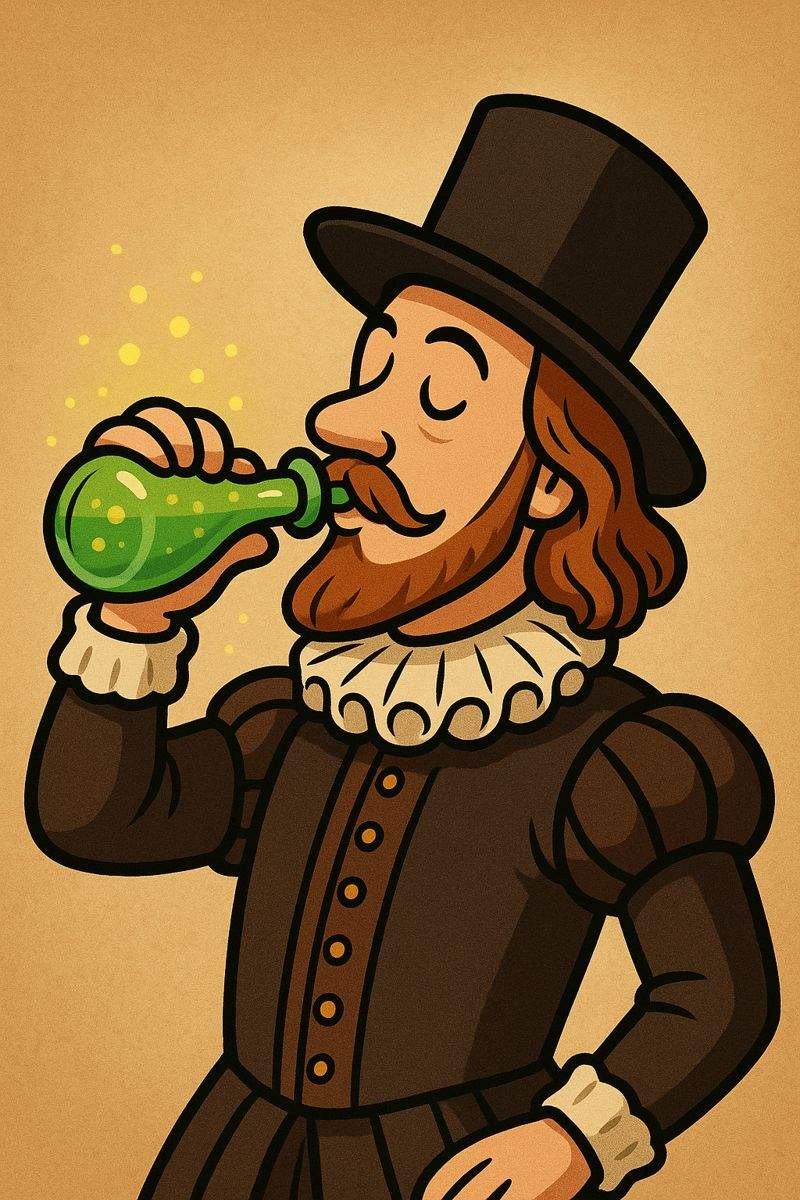
Bacon was a naturalist with a keen interest in plants and gardens. He wrote about horticulture and garden design and used his knowledge of plants to experiment with natural remedies for cures. He was known for personally taking many concoctions as part of his lifelong self-experimentation with diet and medicine. His study of plants, animals, and humans, was to enable advances in modern medicine.
In 1623 he wrote The History of Life and Death which investigates a very modern holistic approach to health by studying how climate, diet and physical exercise affects our health and the way it can limit or prolong life.
The History of the Winds published in 1622 investigates how climate and specifically winds could be controlled, in order to improve shipping, navigation, and human health, while also predicting the threat of destructive storms.
Sylva Sylvarum published in 1626 is a compilation of observations and experiments on a vast range of topics, including botany, acoustics, and the preservation of life. It is seen as a reflection of Bacon’s scientific method.
LAW & POLITICS
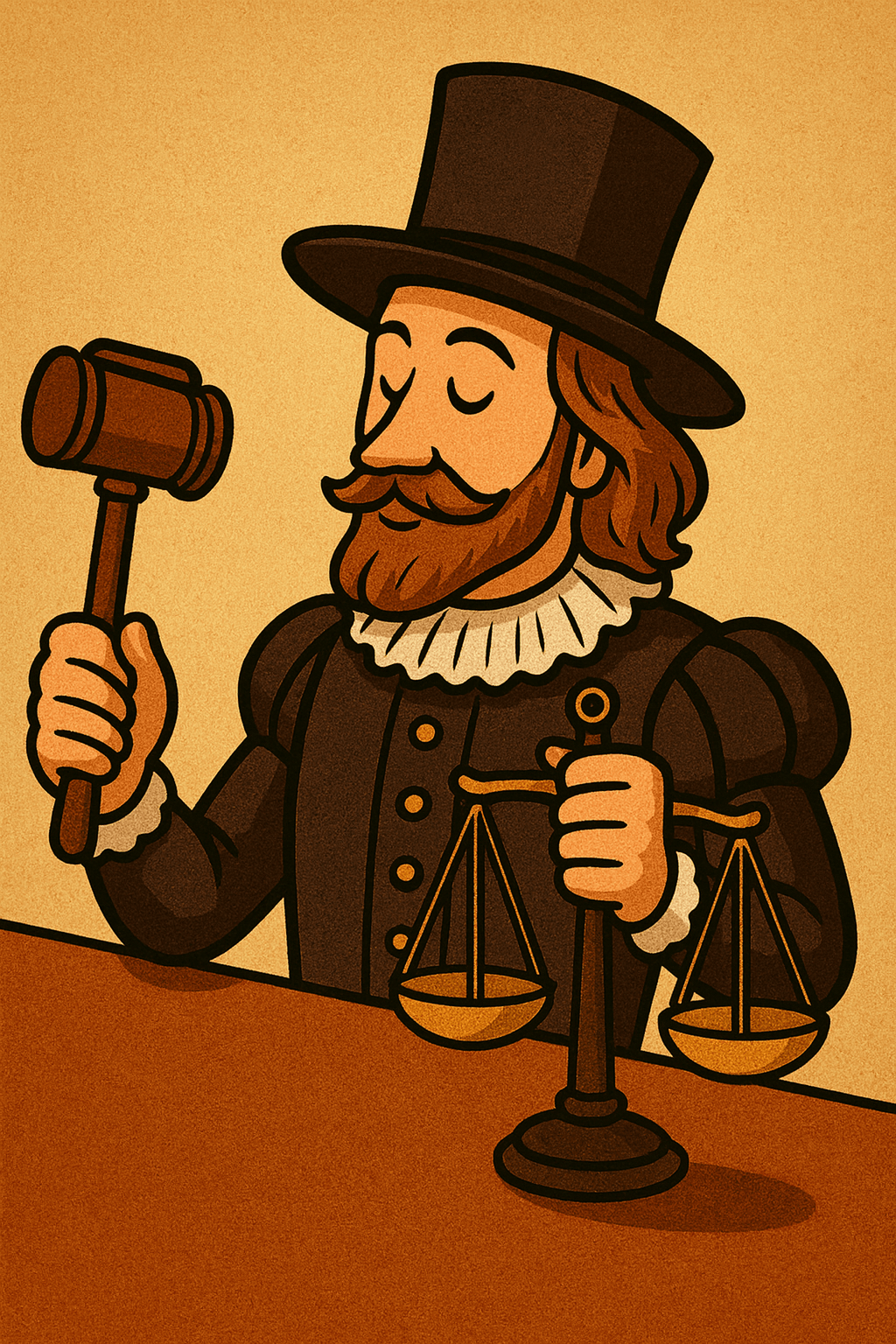 “Laws are made to guard the rights of the people, not to feed the lawyers. The laws should be read by all, known to all. Put them into shape, inform them with philosophy, reduce them in bulk, give them into every man’s hand.” Francis Bacon
Francis Bacon began to study the law at Gray’s Inn in London when he was 18 years old where he became its most famous member. He is recognised for organising many dramatic plays and masques and for improving the Walks that are still visible today.
Even though he rose to the highest legal office of Lord Chancellor, law had not been his chosen profession. He found it tedious and time consuming and he wanted to devote his life to his great plan for the advancement of learning. Nevertheless, he understood that to have a society that functioned well, there had to be good and fair laws. Under Queen Elizabeth I’s reign, he became the first Queen’s Council and during King James I’s rule, he rose to Lord Chancellor, the highest legal authority in the land.
In a speech in the House of Commons on 26th February 1593, Bacon advocated for legal reform that would simplify laws and make them accessible to protect people’s rights. Bacon advocated for major reforms in the legal system and wrote passionately about the necessary changes.
“If we do not maintain justice, justice will not maintain us.” Francis Bacon
Bacon was also a well-respected and longstanding Member of Parliament, a role well-suited to his exceptional reasoning and speaking abilities. A reformer with liberal views, he often clashed with Elizabeth I and the Privy Council due to his principled stance on social and moral issues. This sometimes made him unpopular with the Queen and her Government. In 1593 in Parliament, he opposed royal subsidies and heavy taxation, arguing such taxes were unjust and burdensome for citizens.
LITERATURE, LANGUAGE AND THE THEATRE
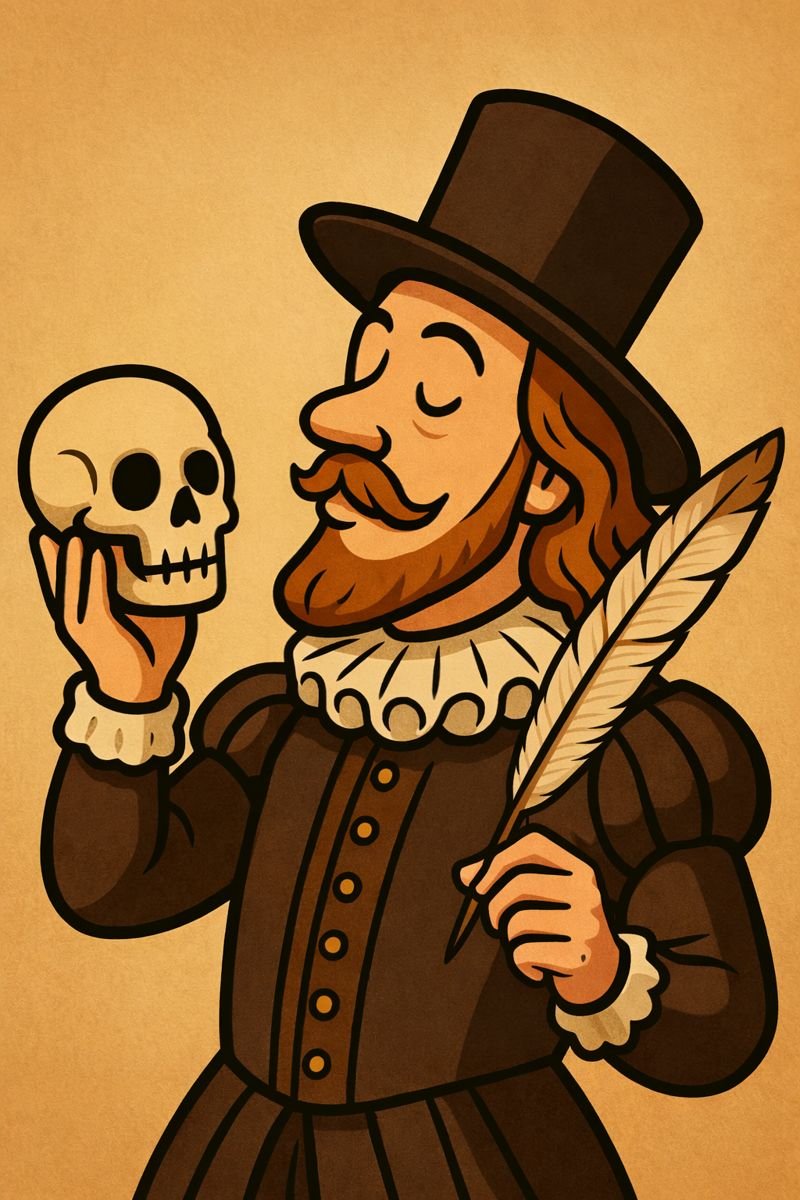 During Bacon’s time, few ordinary people could read or write. Education was a privilege for boys from wealthy families, while most children worked from a young age to support their families.
Francis Bacon was an excellent versatile writer from a very early age, and his muse was the goddess of wisdom Pallas Athena shaker of the spear of knowledge at ignorance. Francis embarked on a lifetime mission of eradicating ignorance.
As a teenager in France, he became enthralled by the different attitudes to poetry, drama and the beautiful French language. Francis compared it to the crude and basic English language at the time. He knew that language was bound up with a nation’s identity and sense of greatness and that England needed a language and a history to be proud of.
Because a large part of the population couldn’t read and write, Bacon saw the theatre as a way to inform and educate people by telling stories about human nature, human behaviour as well as the history of England’s great heroic past to raise the status of England as a world power.
Was Francis Bacon Shakespeare?
It is proposed (and with good evidence) that Francis Bacon wrote the Shakespeare works and that it was only one part of his master plan that included a complete overhaul of learning, advancements in science, medicine and law reform with an emphasis on the practical benefits of knowledge and learning.